Shockwave Therapy
Integrating Shockwave Therapy into Multimodal Rehabilitation: Evidence-Based Protocols for Sports Injury Recovery
Shockwave therapy has become a powerful, non-invasive tool in medicine and rehabilitation for accelerating recovery from sports injuries. Shockwave therapy works well with physiotherapy, manual therapy, exercise prescriptions, and pain management strategies when used as part of a larger multimodal rehabilitation plan. This helps people heal faster and more completely. This combination usually means athletes and active patients can return to sports sooner and at a lower risk of reinjury.
Extracorporeal shockwave therapy (ESWT), also called shockwave therapy, delivers high-energy pressure waves to damaged soft tissue. This causes biological responses that help cells heal.

How Shockwave Therapy Works
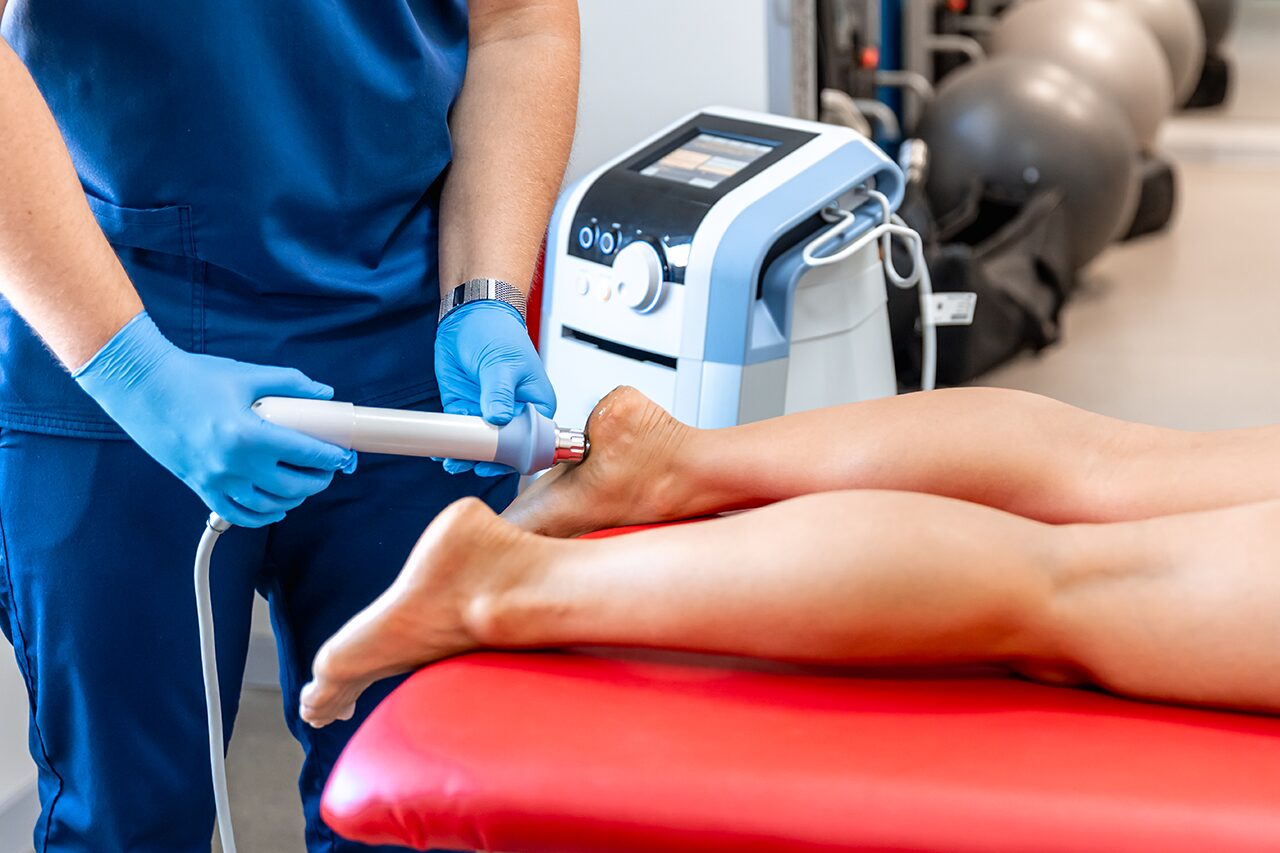
Shockwave therapy sends sound waves through soft tissue to the area that needs to be treated. These pressure waves cause microtrauma, which gets blood flowing, breaks down scar tissue, and activates the body's natural repair processes. In sports medicine and rehabilitation, focused and radial shock wave therapy are both used, but which one is used depends on the depth and type of injury. Radial shock wave therapy is a common treatment for superficial tendon injuries in clinics. Focused extracorporeal shock wave therapy, on the other hand, works on deeper structures like the Achilles tendon or rotator cuff insertions.
Studies consistently demonstrate that shockwave therapy improves the regeneration of tendons and soft tissues by augmenting the release of growth factors and the synthesis of collagen. For patients recovering from an accident or dealing with long-term sports injuries, adding shockwave therapy to the treatment plan early on can speed up recovery time compared to just physiotherapy.
Common Sports Injuries That Respond
Well to Shockwave Therapy
Extracorporeal shock wave therapy should also be part of the rehabilitation plan for athletes who play overhead sports or throw things and have rotator cuff problems. The pressure waves break up calcific deposits, reduce inflammation, and accelerate healing in worsening tendon tissue. These specific effects make shockwave therapy an important part of a multimodal rehabilitation plan for sports injuries to the upper limbs.
Building an Evidence-Based
Multimodal Protocol
A phased approach is used in a well-organised rehabilitation programme that includes shockwave therapy. In the acute phase, the main goals are to control pain and keep the injured soft tissue safe. Shockwave therapy is usually started after the acute inflammation has gone down, which is usually within the first two to four weeks after a tendon injury. Gentle physiotherapy and manual techniques, along with shock wave therapy, reduce excessive stress on the body while the pressure waves begin their healing work.
During the subacute and strengthening phases, patients have shockwave therapy sessions once a week and do progressive loading exercises at the same time. This synergy is very important: extracorporeal shock wave therapy's biological stimulation makes the tissue better able to handle more mechanical stress. Clinical studies indicate that patients undergoing combined shockwave therapy and structured exercise exhibit expedited functional recovery compared to those receiving exercise alone.
Pain Control and Safety of
Shockwave Therapy
Shockwave therapy is a big help with pain management, which is an important part of successful rehabilitation. Many patients say that their pain goes away right away after treatment, and that it gets better over the next few weeks as the soft tissue heals. Corticosteroid injections only help with symptoms for a short time and may weaken tendon structure. Shockwave therapy, on the other hand, works on both symptoms and the underlying problem without damaging tissue.
Most of the time, the of shockwave therapy are mild and go away quickly. Patients may have redness, bruising, or pain at the treatment site for a short time, but serious problems are rare when trained professionals do the procedure. In a clinic, a full evaluation and the right energy settings can help reduce any pain. Most of the time, the benefits of shockwave therapy for sports injuries are much greater than the few side effects.
Specific Protocols for Lower-Limb Conditions & Treatments
A common treatment for plantar fasciitis is three to five sessions of radial shock wave therapy given once a week. During each session, pressure waves are directed at the plantar fascia insertion while the patient continues a calf-stretching and foot-strengthening programme that is supervised by physiotherapy staff. This combined approach deals with both the changes in the fascia that cause it to break down and the biomechanical factors that make the problem worse.
Athletes with Achilles tendon injuries follow a similar timeline. For mid-portion Achilles tendinopathy, focused extracorporeal shock wave therapy is often the best choice. For insertional problems, radial shock wave therapy is enough. The Alfredson eccentric loading protocol is used in conjunction with treatment to create a strong healing stimulus that helps the tendons remodel and reduces pain.
Upper-Limb Applications in Overhead Sports
Shockwave therapy works especially well for throwing and racquet sports athletes with rotator cuff tendinopathy and calcific tendonitis. High-level evidence supports the use of focused shock wave therapy to eliminate calcium deposits and stimulate healing in chronic cases resistant to physiotherapy alone. Shockwave therapy significantly improves pain and function scores when administered as part of a comprehensive shoulder rehabilitation programme that incorporates scapular stabilisation and rotator cuff strengthening.
Long-Term Outcomes and Return-to-Sport Planning
Longitudinal studies in sports medicine and rehabilitation demonstrate that patients undergoing shockwave therapy as a component of multimodal treatment exhibit reduced recurrence rates for conditions such as plantar fasciitis and tendon injuries. The biological changes that happen when pressure waves hit soft tissue make it stronger and better able to handle the demands of high-level sports. Decisions about when athletes can return to sports are based on both clinical healing and functional testing. Many athletes reach their pre-injury performance levels sooner than expected.
Practical Implementation in the Clinic
Shockwave therapy devices are readily available in modern physiotherapy, medical, and rehabilitation clinics so that they can be added to treatment plans right away. For each diagnosis, clinicians follow evidence-based guidelines for the number of pulses, energy levels, and treatment intervals. Patient education is very important. Knowing that some soreness may happen after shockwave therapy and exercises helps patients stick with the whole treatment plan.
Most clinics that offer treatment make it easy to book online, and many also have a detailed patient & visitor guide that explains what to expect during shockwave therapy sessions. This openness helps people make smart choices and improves treatment outcomes.
The Future of Sports Injury Rehabilitation
As more and more research comes out, shockwave therapy is becoming an important part of multimodal rehabilitation for sports injuries. Extracorporeal shock wave therapy can help heal plantar fasciitis, Achilles tendon problems, rotator cuff problems, and other soft tissue problems. It also makes it easier to manage pain and safely return to sports. Shockwave therapy is a real step forward in evidence-based accident rehabilitation and sports medicine when done by experienced clinicians as part of a full physiotherapy programme.
The addition of shock wave therapy to holistic treatment plans for active patients and athletes not only speeds up recovery but also strengthens and makes tissues more resilient, which is important for competitive sports. As research progresses and technology advances, shockwave therapy will undoubtedly assume an increasingly significant role in sustaining athletes' participation in their respective sports.


